
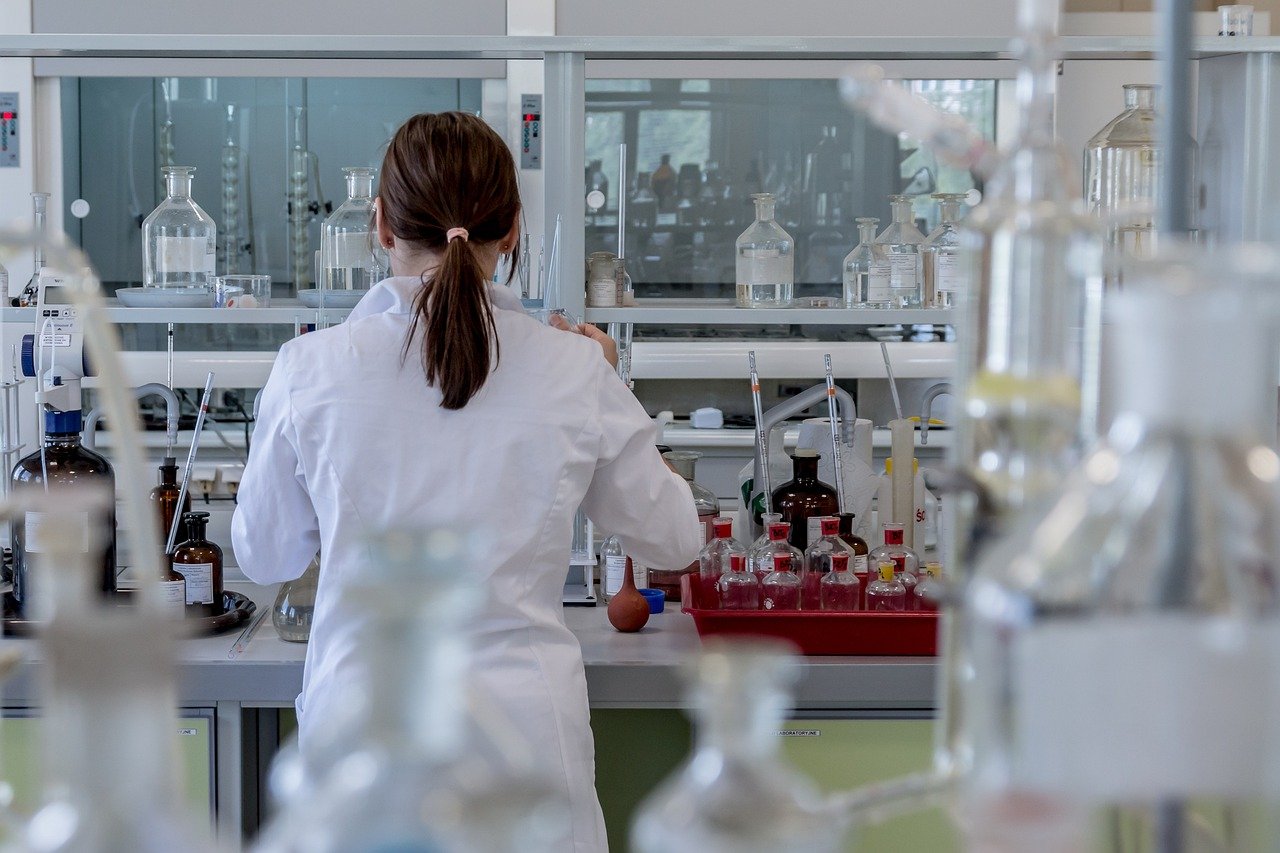
Lab Equipment: The Foundation of Accurate Scientific Work
Lab equipment plays a vital role in every scientific environment. Whether used for research, education, testing, or quality control, the right tools make every experiment more reliable and efficient. From measuring liquids to analyzing samples, modern laboratories depend on well-designed instruments to achieve consistent and accurate results.
Selecting appropriate lab equipment is about more than completing daily tasks. It helps improve safety, supports productivity, and reduces the chances of errors. As laboratories continue to evolve, investing in suitable equipment remains one of the most important decisions for maintaining high standards.
This article explains the importance of lab equipment, the different categories available, factors to consider before selecting tools, and tips for maintaining them for long-term performance.
Understanding the Importance of Lab Equipment
Every laboratory relies on lab equipment to perform essential procedures. These tools allow professionals to measure, mix, observe, heat, cool, and analyze materials with precision. Without dependable equipment, achieving accurate results becomes difficult.
High-quality lab equipment also improves workflow. When instruments function correctly, technicians spend less time troubleshooting and more time completing valuable work. This leads to better efficiency and greater confidence in experimental outcomes.
Supporting Accuracy and Precision
Accuracy is the foundation of every laboratory operation. Reliable lab equipment minimizes human error and ensures measurements remain consistent across repeated tests. This consistency is especially valuable when comparing results over time.
Improving Laboratory Safety
Safety should never be overlooked. Properly designed lab equipment helps reduce exposure to hazardous materials while allowing users to handle chemicals and biological samples more securely.
Common Types of Lab Equipment
Different laboratory activities require specialized lab equipment. Understanding these categories helps users choose the right tools for their specific applications.
Measuring Equipment
Measurement tools ensure experiments begin with accurate quantities. Common examples include graduated cylinders, volumetric flasks, pipettes, and measuring balances.
Heating and Cooling Equipment
Many procedures require controlled temperatures. Heating plates, laboratory ovens, water baths, and cooling systems help maintain stable conditions throughout experiments.
Analytical Instruments
Analytical lab equipment allows scientists to evaluate chemical and physical properties. These instruments generate reliable data that supports research, testing, and quality assurance.
Storage Equipment
Proper storage protects samples and chemicals from contamination or environmental changes. Cabinets, refrigerators, and specialized containers help preserve materials safely.
Factors to Consider When Choosing Lab Equipment
Selecting lab equipment involves more than comparing features. Laboratories should evaluate several important factors before making decisions.
Quality and Durability
Durable lab equipment withstands frequent use while maintaining dependable performance. Strong construction reduces maintenance needs and extends service life.
Accuracy Requirements
Different applications demand different levels of precision. Choosing equipment with suitable accuracy ensures dependable experimental results.
Ease of Operation
User-friendly lab equipment simplifies daily tasks. Clear controls and ergonomic designs improve productivity while reducing training time for laboratory personnel.
Maintenance Needs
Regular maintenance keeps equipment functioning efficiently. Choosing models with accessible components and straightforward servicing requirements helps reduce downtime.
Best Practices for Using Lab Equipment
Proper handling significantly extends the lifespan of lab equipment while maintaining measurement accuracy.
Follow Operating Procedures
Always use equipment according to recommended operating practices. Consistent procedures help maintain reliable performance and improve safety.
Clean Equipment Regularly
Residue from previous experiments may affect future results. Cleaning lab equipment after each use prevents contamination and preserves accuracy.
Perform Routine Inspections
Regular inspections identify wear before problems become serious. Checking moving parts, calibration, and overall condition helps maintain dependable operation.
Store Equipment Correctly
Proper storage protects sensitive instruments from dust, moisture, and accidental damage. Organized storage also improves laboratory efficiency.
Benefits of Investing in Reliable Lab Equipment
Quality lab equipment provides long-term advantages beyond daily operations.
- Improved experimental accuracy
- Better workflow efficiency
- Enhanced laboratory safety
- Reduced maintenance costs
- Greater consistency across projects
- Longer equipment lifespan
These benefits contribute to more dependable scientific work while supporting continuous improvement.
Future Trends in Lab Equipment
Technology continues to transform lab equipment with advanced automation, digital monitoring, and smart connectivity. Modern laboratories increasingly adopt instruments capable of recording data automatically and reducing manual intervention.
Sustainability is another growing focus. Energy-efficient equipment and environmentally responsible manufacturing practices help laboratories reduce their environmental impact without compromising performance.
As innovation continues, laboratories can expect lab equipment to become even more accurate, efficient, and easier to operate.
Conclusion
Reliable lab equipment remains the backbone of successful laboratory operations. Every experiment depends on dependable instruments that deliver consistent measurements, improve safety, and support efficient workflows. By selecting appropriate equipment, maintaining it properly, and following best practices, laboratories can achieve accurate results while maximizing productivity. As scientific demands continue to grow, investing in quality lab equipment will remain essential for delivering reliable outcomes and supporting future discoveries.