Building integrated solar
Building integrated solar are transforming modern construction by combining energy generation with architectural design. As sustainability becomes a priority, architects, developers, and property owners are exploring innovative building materials that improve efficiency while maintaining visual appeal. The growing interest in renewable energy has made building integrated solar an important topic in contemporary building design.
Why Building integrated solar Matter
Modern buildings require solutions that balance performance, aesthetics, and environmental responsibility. Building integrated solar help achieve these goals by integrating renewable energy features into the structure itself. Instead of relying solely on traditional energy systems, buildings can contribute to their own power generation while enhancing overall design quality.
Key Benefits
• Improved energy efficiency
• Better use of building surfaces
• Enhanced architectural flexibility
• Reduced environmental impact
• Long-term sustainability advantages
Design Applications
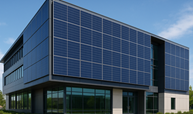
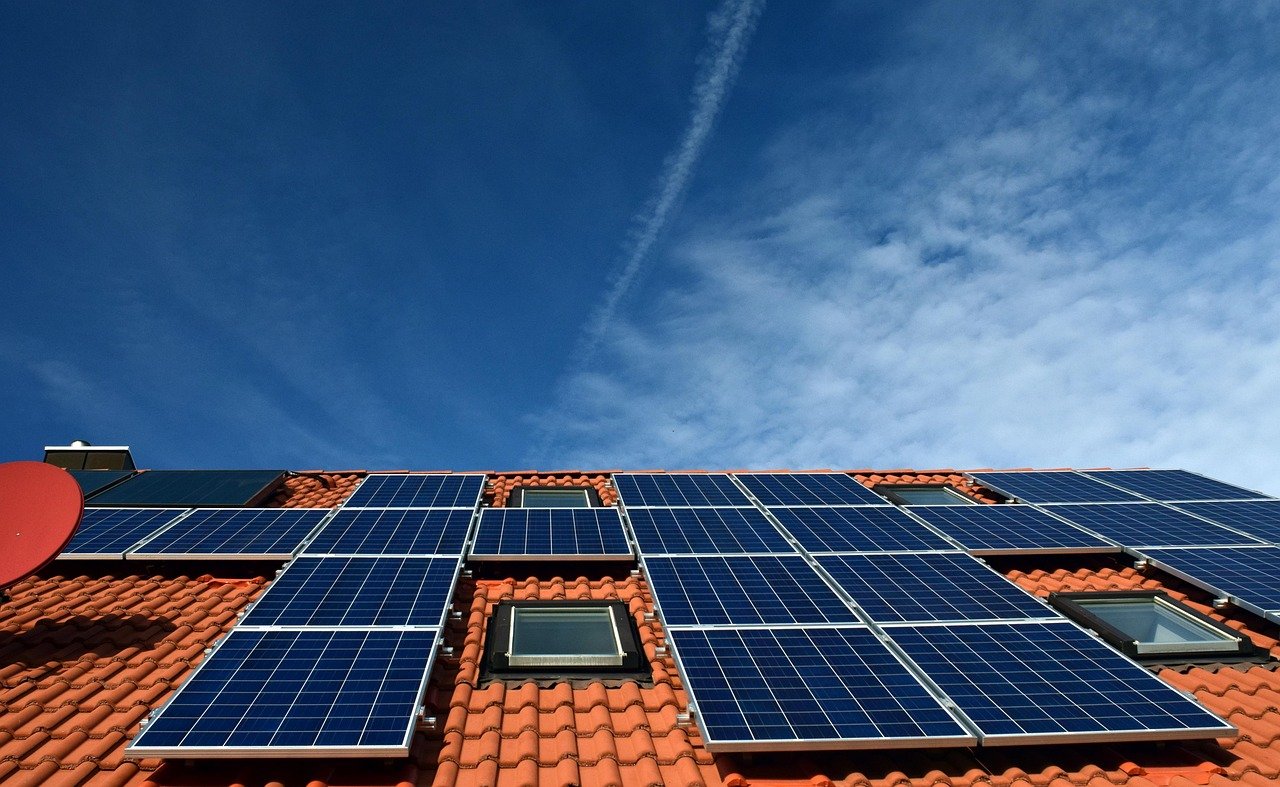
Architects increasingly incorporate building integrated solar into commercial, residential, institutional, and mixed-use developments. These systems can be integrated into façades, roofs, canopies, and other visible building elements. Their versatility allows designers to create visually appealing structures without sacrificing functionality.
Performance and Sustainability
One of the most significant advantages of building integrated solar is their contribution to sustainable building practices. They support energy-conscious development strategies while helping reduce dependence on conventional power sources. In addition, they can contribute to green building goals and support broader environmental objectives.
Integration into Modern Architecture
The relationship between design and performance is becoming increasingly important. Building integrated solar provide opportunities for architects to merge technology with aesthetics. By incorporating renewable energy directly into the building envelope, projects can achieve a seamless appearance while supporting sustainability initiatives.
Future Outlook
The future of construction is closely linked to innovation and sustainability. As technology advances, building integrated solar are expected to play a larger role in building design. Continued improvements in efficiency, durability, and design flexibility will further expand their applications across different project types.
Conclusion
Building integrated solar represent an important step toward smarter and more sustainable construction. By combining architectural value with renewable energy capabilities, they support the evolving needs of modern buildings. As demand for sustainable design continues to grow, building integrated solar will remain a key consideration for forward-thinking construction projects.
Introduction
Building integrated solar are transforming modern construction by combining energy generation with architectural design. As sustainability becomes a priority, architects, developers, and property owners are exploring innovative building materials that improve efficiency while maintaining visual appeal. The growing interest in renewable energy has made building integrated solar an important topic in contemporary building design.
Why Building integrated solar Matter
Modern buildings require solutions that balance performance, aesthetics, and environmental responsibility. Building integrated solar help achieve these goals by integrating renewable energy features into the structure itself. Instead of relying solely on traditional energy systems, buildings can contribute to their own power generation while enhancing overall design quality.
Key Benefits
• Improved energy efficiency
• Better use of building surfaces
• Enhanced architectural flexibility
• Reduced environmental impact
• Long-term sustainability advantages
Design Applications
Architects increasingly incorporate building integrated solar into commercial, residential, institutional, and mixed-use developments. These systems can be integrated into façades, roofs, canopies, and other visible building elements. Their versatility allows designers to create visually appealing structures without sacrificing functionality.
Performance and Sustainability
One of the most significant advantages of building integrated solar is their contribution to sustainable building practices. They support energy-conscious development strategies while helping reduce dependence on conventional power sources. In addition, they can contribute to green building goals and support broader environmental objectives.
Integration into Modern Architecture
The relationship between design and performance is becoming increasingly important. Building integrated solar provide opportunities for architects to merge technology with aesthetics. By incorporating renewable energy directly into the building envelope, projects can achieve a seamless appearance while supporting sustainability initiatives.
Future Outlook
The future of construction is closely linked to innovation and sustainability. As technology advances, building integrated solar are expected to play a larger role in building design. Continued improvements in efficiency, durability, and design flexibility will further expand their applications across different project types.
Conclusion
Building integrated solar represent an important step toward smarter and more sustainable construction. By combining architectural value with renewable energy capabilities, they support the evolving needs of modern buildings. As demand for sustainable design continues to grow, building integrated solar will remain a key consideration for forward-thinking construction projects.
Introduction
Building integrated solar are transforming modern construction by combining energy generation with architectural design. As sustainability becomes a priority, architects, developers, and property owners are exploring innovative building materials that improve efficiency while maintaining visual appeal. The growing interest in renewable energy has made building integrated solar an important topic in contemporary building design.
Why Building integrated solar Matter
Modern buildings require solutions that balance performance, aesthetics, and environmental responsibility. Building integrated solar help achieve these goals by integrating renewable energy features into the structure itself. Instead of relying solely on traditional energy systems, buildings can contribute to their own power generation while enhancing overall design quality.
Key Benefits
• Improved energy efficiency
• Better use of building surfaces
• Enhanced architectural flexibility
• Reduced environmental impact
• Long-term sustainability advantages
Design Applications
Architects increasingly incorporate building integrated solar into commercial, residential, institutional, and mixed-use developments. These systems can be integrated into façades, roofs, canopies, and other visible building elements. Their versatility allows designers to create visually appealing structures without sacrificing functionality.
Performance and Sustainability
One of the most significant advantages of building integrated solar is their contribution to sustainable building practices. They support energy-conscious development strategies while helping reduce dependence on conventional power sources. In addition, they can contribute to green building goals and support broader environmental objectives.
Integration into Modern Architecture
The relationship between design and performance is becoming increasingly important. Building integrated solar provide opportunities for architects to merge technology with aesthetics. By incorporating renewable energy directly into the building envelope, projects can achieve a seamless appearance while supporting sustainability initiatives.
Future Outlook
The future of construction is closely linked to innovation and sustainability. As technology advances, building integrated solar are expected to play a larger role in building design. Continued improvements in efficiency, durability, and design flexibility will further expand their applications across different project types.
Conclusion
Building integrated solar represent an important step toward smarter and more sustainable construction. By combining architectural value with renewable energy capabilities, they support the evolving needs of modern buildings. As demand for sustainable design continues to grow, building integrated solar will remain a key consideration for forward-thinking construction projects.